
Why the Narmada Parikrama Is One of India’s Most Sacred Pilgrimages
The Narmada Parikrama is more than just a journey; it’s a spiritual odyssey that captures the essence of devotion, resilience, and reverence. This sacred pilgrimage involves circumambulating the Narmada River, one of the holiest rivers in India, and is an experience that deeply touches the soul. But what makes this pilgrimage so special? In this article, we will explore the profound significance of the Narmada Parikrama, its route, and why it holds a special place in the hearts of devotees.
The Spiritual Significance of the Narmada Parikrama
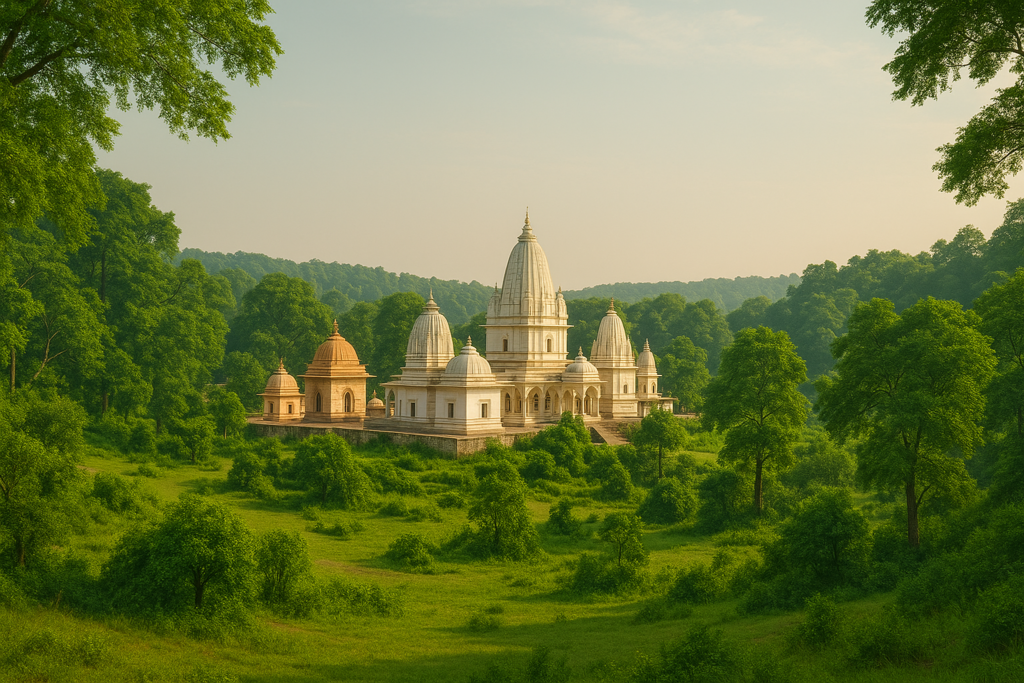
The Narmada Parikrama is considered one of the most spiritually enriching pilgrimages in India. Stretching over approximately 2,600 kilometers, this journey is a testament to unwavering faith. Unlike other pilgrimages that involve reaching a specific destination, the Narmada Parikrama is about the journey itself. Devotees believe that circumambulating the river can cleanse their souls, offering them spiritual liberation.
In Hindu mythology, the Narmada River is personified as a goddess, revered as one of the seven holy rivers of India. The Parikrama is not just a physical endeavor but a spiritual practice that brings pilgrims closer to the divine. The river is said to have the power to grant liberation from the cycle of birth and rebirth, a belief that adds a layer of profound spiritual significance to the pilgrimage.
For many, the Narmada Parikrama is a journey of introspection and transformation. As pilgrims walk along the river’s banks, they are encouraged to reflect on their lives, seek forgiveness for past misdeeds, and set intentions for a more spiritually aligned future. This introspective aspect of the pilgrimage is what makes it a deeply personal and transformative experience.
The Narmada Parikrama Route Map
The Narmada Parikrama route map is a vital tool for pilgrims embarking on this sacred journey. The route generally begins at Amarkantak, the river’s source, and follows the river’s course through the states of Madhya Pradesh, Maharashtra, and Gujarat before returning to Amarkantak. The path is not a well-defined road but rather a series of trails and paths that follow the river’s natural flow.
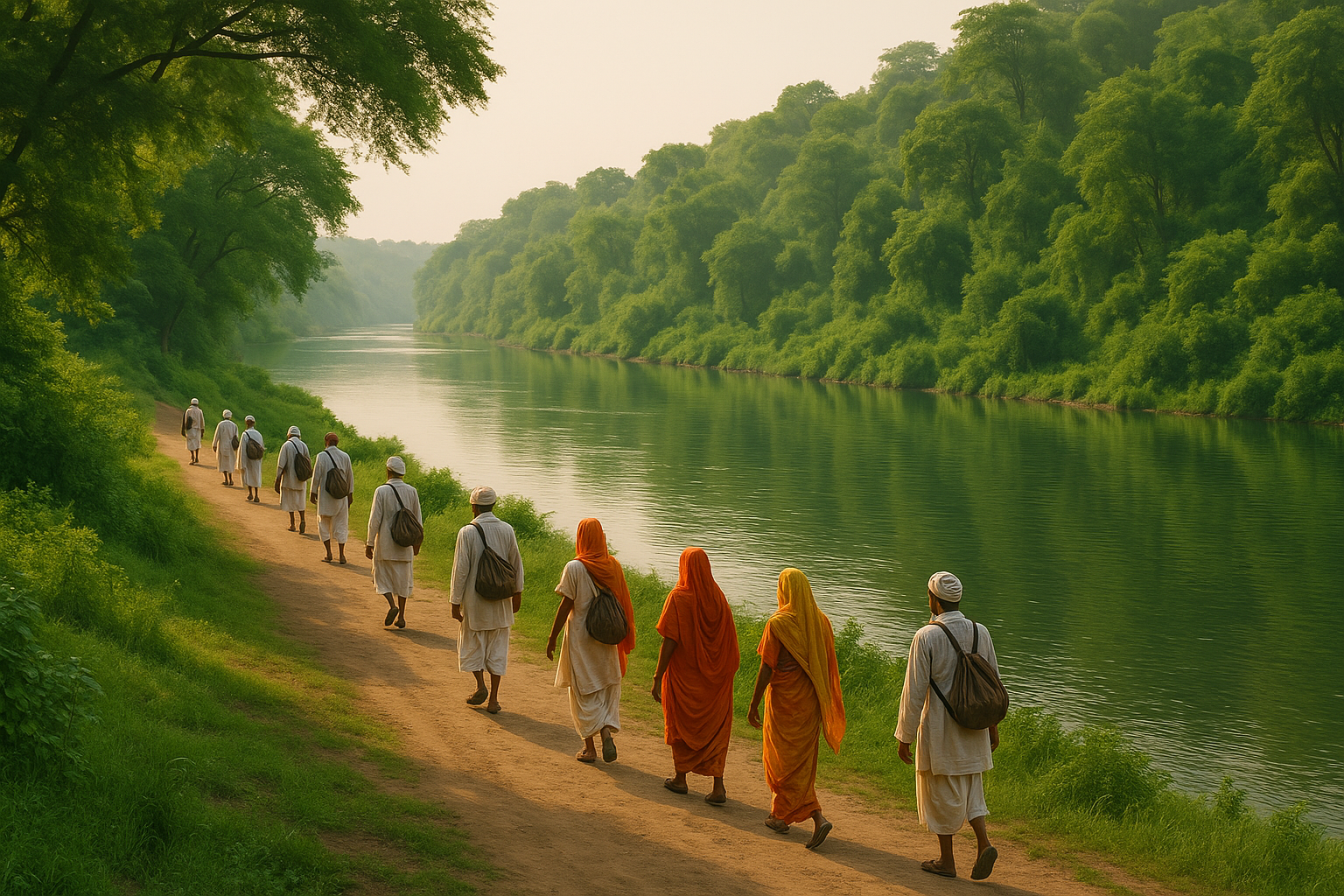
One of the unique aspects of the Narmada Parikrama route is its diversity. Pilgrims traverse through a variety of landscapes, from dense forests and serene villages to bustling towns and sacred shrines. Each segment of the journey offers a different set of challenges and rewards, adding to the pilgrimage’s depth and complexity.
Having a route map is crucial for planning and navigating the pilgrimage. The map helps pilgrims identify rest stops, temples, and other significant landmarks along the way. However, it’s important to note that the Parikrama is not a race; it is a deeply personal journey that unfolds at its own pace. Pilgrims are encouraged to take their time, allowing themselves to fully absorb the spiritual energy of the journey.
The Challenges and Rewards of the Narmada Parikrama
Undertaking the Narmada Parikrama is no small feat. The journey is physically demanding, requiring pilgrims to walk for several months, often in challenging weather conditions. However, the challenges faced during the pilgrimage are part of what makes the experience so rewarding.
One of the primary challenges is the physical endurance required to complete the Parikrama. Pilgrims walk an average of 15-20 kilometers a day, carrying minimal supplies and relying on the hospitality of locals along the way. This physical exertion, combined with the simplicity of life on the trail, strips away the distractions of modern life, allowing pilgrims to focus on their spiritual journey.
The rewards of completing the Narmada Parikrama are both tangible and intangible. Many pilgrims report a profound sense of peace and fulfillment upon completing the journey. The pilgrimage provides an opportunity for personal growth, fostering qualities such as patience, humility, and resilience. Moreover, the sense of community and camaraderie among pilgrims adds an enriching dimension to the experience.
The Role of Faith in the Narmada Parikrama
Faith plays a central role in the Narmada Parikrama. For many pilgrims, the journey is an expression of their deep devotion to the Narmada River and the divine. This faith is what sustains them through the hardships of the pilgrimage, providing them with strength and motivation.
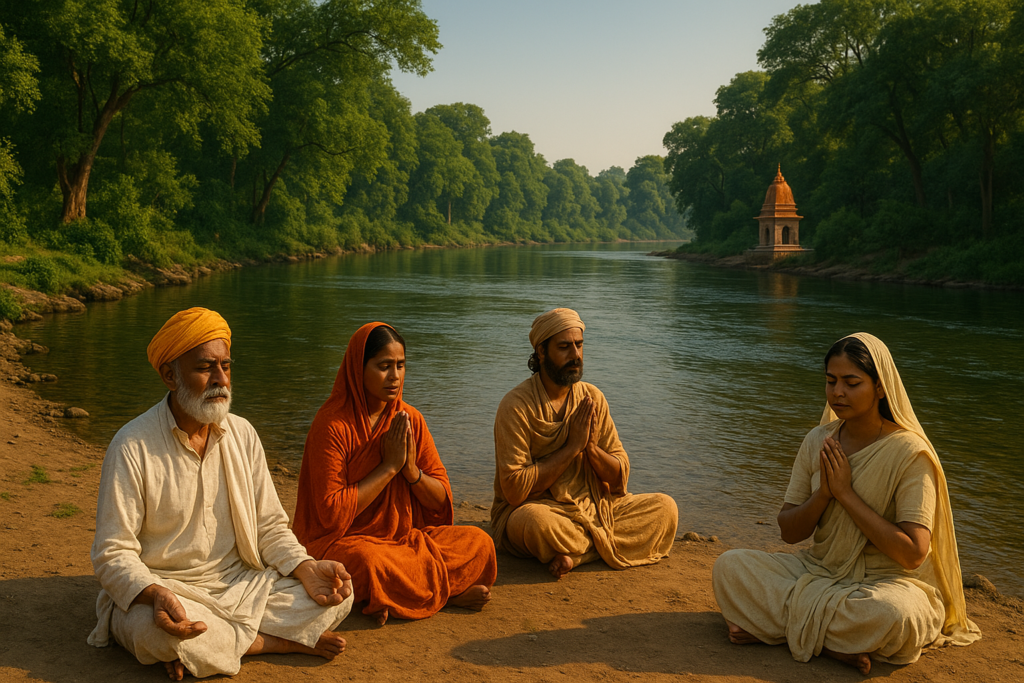
Pilgrims often engage in various spiritual practices during the Parikrama, such as chanting, meditation, and prayer. These practices help deepen their connection to the divine and reinforce their commitment to the pilgrimage. The act of walking itself becomes a form of meditation, allowing pilgrims to focus their minds and open their hearts to spiritual insights.
Moreover, the faith of the pilgrims is often mirrored in the kindness and generosity of the people they encounter along the way. Locals provide food, shelter, and support to the pilgrims, seeing it as a service to the divine. This mutual expression of faith creates a powerful sense of unity and shared purpose among all those involved in the pilgrimage.
Narmada Parikrama Tour Packages
For those interested in undertaking the Narmada Parikrama but unsure of where to start, tour packages can offer valuable guidance and support. These packages are designed to facilitate the pilgrimage experience, providing logistical assistance and ensuring that pilgrims have the resources they need to complete the journey.
Narmada Parikrama tour packages typically include accommodations, meals, and transportation for parts of the journey that may be difficult to navigate independently. They may also offer guided tours of significant spiritual sites along the route, enriching the pilgrimage experience with historical and cultural insights.
While tour packages can be helpful, it’s important for pilgrims to choose one that aligns with their spiritual goals. The essence of the Narmada Parikrama is a personal journey, and any external support should enhance, rather than detract from, the pilgrim’s connection to the divine and the river.
What Is Narmada Parikrama? A Journey of the Soul
The Narmada Parikrama is not just a physical journey; it is a journey of the soul. It is an opportunity for pilgrims to leave behind the trappings of modern life and immerse themselves in a simpler, more spiritual existence. This pilgrimage allows individuals to connect with nature, the divine, and their own inner selves in a profound way.
As pilgrims walk along the river’s banks, they are encouraged to engage in self-reflection and introspection. This process often leads to personal revelations and insights, helping individuals to grow and evolve spiritually. The simplicity and humility required for the journey foster a sense of gratitude and appreciation for the small blessings in life.
Ultimately, the Narmada Parikrama is about transformation. It is a pilgrimage that challenges individuals physically, mentally, and spiritually, leading them to a deeper understanding of themselves and their place in the world. For many, it is a life-changing experience that leaves a lasting impact on their hearts and souls.
The Legacy and Future of the Narmada Parikrama
The Narmada Parikrama has a rich legacy that spans centuries. It is a tradition that has been passed down through generations, with each new wave of pilgrims adding their own stories and experiences to the collective memory of the journey. This legacy is a testament to the enduring power of faith and the human spirit.
In recent years, the Narmada Parikrama has gained increased attention, attracting pilgrims from around the world. This growing interest is a reflection of the universal appeal of the pilgrimage, which transcends cultural and religious boundaries. The Parikrama offers a unique opportunity for individuals of all backgrounds to experience the transformative power of spiritual devotion.
FAQ
Q1. What is the Narmada Parikrama?
A1. The Narmada Parikrama is a sacred pilgrimage that involves circumambulating the Narmada River. It is a spiritual journey that spans approximately 2,600 kilometers, offering pilgrims a chance to connect deeply with the divine and seek spiritual liberation.
Q2. Why is the Narmada Parikrama considered sacred?
A2. The Narmada Parikrama is sacred because the Narmada River is revered as a goddess in Hindu mythology. Pilgrims believe that walking around the river cleanses their souls and grants liberation from the cycle of birth and rebirth.
Q3. What are the challenges of the Narmada Parikrama?
A3. The challenges include physical endurance, as pilgrims walk 15-20 kilometers daily, often in tough weather. The journey requires minimal supplies and relies on local hospitality, demanding both physical and spiritual resilience.
Q4. Are there tour packages available for Narmada Parikrama?
A4. Yes, there are tour packages available that provide logistical support, including accommodations, meals, and transportation. These packages help pilgrims navigate the journey, ensuring a more organized and enriching experience.
Q5. How can one prepare for the Narmada Parikrama?
A5. Preparation involves physical fitness, spiritual readiness, and logistical planning. Pilgrims should familiarize themselves with the route, pack essential supplies, and be open to the transformative experiences that the journey offers.


